The Bible According to 6-7

@aerialshooter
Unsplash
One of the dumbest things to go viral in 2025 is the 6-7 meme. Basically, when a kid or teen hears the numbers six and seven, they say siiiix seeeeveenn and do a weird thing with their hands, as if weighing up two ridiculous options. There are a few origin stories out there, explaining where it came from. But the origin stories don’t really help you understand the phenomenon. It’s just a weird thing. Full stop.
The single most helpful thing that has helped me understand it was this one quote I read in a news article quoting a podcast. According to Daniel Cash, a law student at ANU, “the point is that it’s meaningless and confusing to those who don’t understand, but to those who do, it’s a funny, generational, inside joke”.[1]
Though it’s meaningless and confusing and not really that funny, I wondered if we could use 6–7 to explain the story of the Bible. Here’s my attempt.

1. Creation (Genesis 1—6/7 DAYS)
God created the world in a week. How long was that week? Most people would say seven days. But if you think about it, he created the world in six days and rested on the seventh. So, what’s the answer? How many days did it take to create the world? Answer: 6–7.
2. Sin (Genesis 6:7)
However, catastrophe strikes when we get to our first Bible chapter-and-verse 6–7 moment. Humanity rejects the God who created them. And sin always has consequences. In Genesis 6:7 (NIV) we read:
So the LORD said, ‘I will wipe from the face of the earth the human race I have created.’
The consequence of our sin? God said that he would wipe humanity off the face of the earth. Out of context, this can seem cruel and harsh. But if you think about the backdrop to the story, he’s giving humanity precisely what they wanted. In ignoring God and rejecting his good instructions for optimal life, we’ve wiped him out of the picture. We’ve said that we want to do life our own way without him. God’s judgment in this first 6–7 moment is giving humanity exactly what they wanted.
3. Rescue (Exodus 6:7)
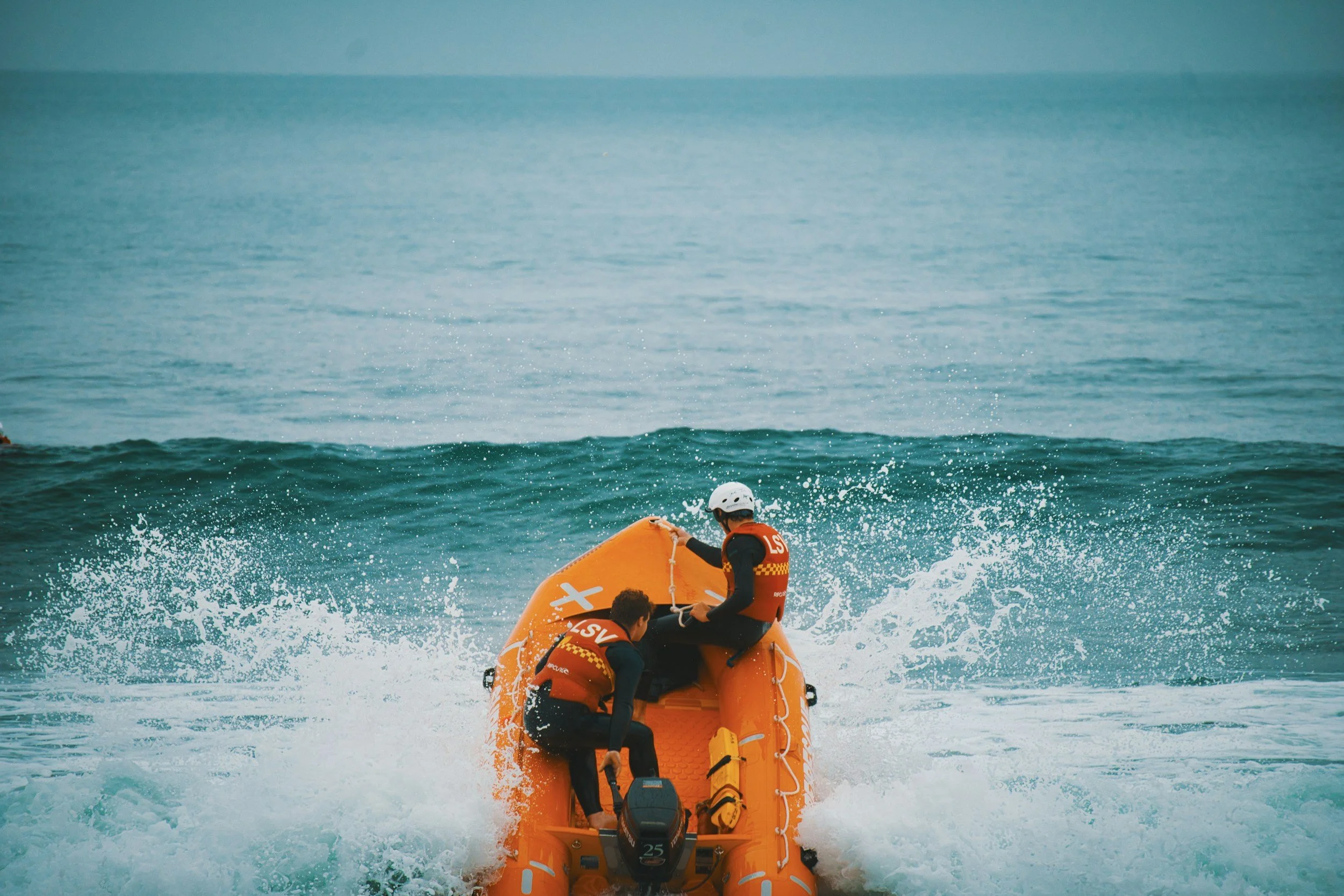
And yet, despite all of our rebellion, God still has a plan to rescue humanity. We see this in the way God saves Noah and his family. Many centuries later, we see this again when we get to our next major 6–7 moment in the book of Exodus.
God’s people find themselves in slavery to the Egyptians. And then, God tells Moses:
I will take you as my own people, and I will be your God. Then you will know that I am the LORD your God, who brought you out from under the yoke of the Egyptians.
God has a plan to rescue his people from slavery to the Egyptians. He doesn’t want sin and judgment to be the end of the story.
4. Substitution (Isaiah 53:6-7)
But if the story is to continue, God will need to act decisively. This will involve substitution and sacrifice.
In the Exodus narrative, a lamb is substituted as a sacrifice, so that guilty people can draw near to a holy God and be saved (Exodus 12). But this points to an even greater promise of atonement.
In Isaiah 53:6-7, we’re given a similar picture:
6 We all, like sheep, have gone astray, each of us has turned to our own way;
and the LORD has laid on him the iniquity of us all.
7 He was oppressed and afflicted,
yet he did not open his mouth;
he was led like a lamb to the slaughter,
and as a sheep before its shearers is silent,
so he did not open his mouth.
We are like sheep who have turned away from God, and we deserve God’s fair punishment for rejecting him. But Isaiah prophesies the coming of an innocent lamb-like substitute who will be sacrificed for our sins, taking the punishment we deserve. When we get to the New Testament, it becomes clear that Jesus is this sacrificial lamb substituted for our sins when he was crucified (see John 1:29; 1 Peter 2:24–26).

@coopery
Unsplash
5. Freedom (Romans 6:7)
In Romans 6 we discover that our old way of life was crucified along with Jesus on the cross. Sin no longer has power over us, meaning that we can now live a new life. In Romans 6:7, we learn:
Anyone who has died has been set free from sin.
So, because our sin has been crucified with Christ, we have died. And because we have died, we have been set free from sin. We have freedom from sin’s power.
6. Walk (Colossians 2:6–7)
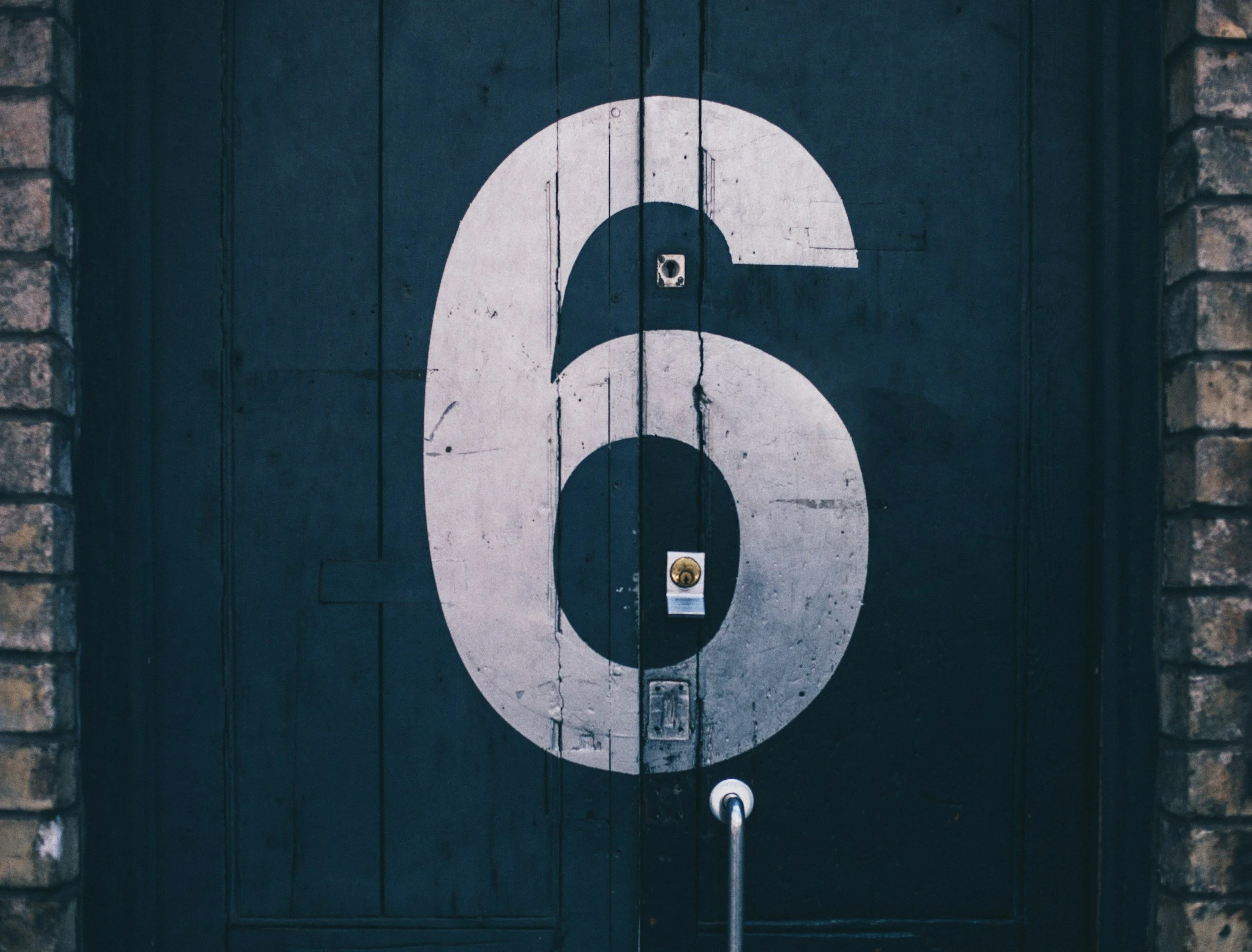
As those who have been freed from the power of sin, we’re invited to walk in a new way of life. In Colossians 2:6-7 (CSB), Paul tells us:
So then, just as you have received Christ Jesus as Lord, continue to walk in him, being rooted and built up in him and established in the faith, just as you were taught, and overflowing with gratitude.
So, having received Christ as Lord through union with him in his death and resurrection, we no longer walk our own way—we walk his way. And we do this overflowing with gratitude.
Back in the introduction, we saw that the whole 6–7 thing is about inclusion. Through Jesus, we have been included in him. We walk in him. We’re built up in him. And we get to be included with other people who are walking and built up in him. This is way better inclusion than simply getting to share a meaningless joke with your friends.
7. Serve (Ephesians 6:7)
And, as we walk in and with Jesus, we seek to serve him in all that we do. In Ephesians 6:7, Paul writes:
Serve wholeheartedly, as if you were serving the Lord, not people.
We don’t serve the Lord Jesus half-heartedly. We serve him with our whole heart. That means he becomes our number one priority. Just as he sacrificed his life for us, we, out of love and gratitude for what he has done, live our lives sacrificially for him.
And we do this until Jesus returns.

@chesnutt
Unsplash
Notes
[1] Tattersall, Hannah. “What Is 6-7, and Why Are All the Children Saying It?” Australian Financial Review, 20 Oct. 2025. https://www.afr.com/life-and-luxury/arts-and-culture/what-is-6-7-and-why-are-all-the-children-saying-it-20251020-p5n3uz
And, yes, I went to the Australian Financial Review to understand 6–7.