Predestination 8: How do I know I’m chosen?
John 10:22–30
You’re reading the eighth instalment in a series on predestination. These began as notes for our youth leaders, but gradually evolved into something the internet might accept. Start here for the series introduction.
I was in Year 2, about seven years old. At our church in Springwood, I heard a kids’ talk about the Lamb’s Book of Life. In Revelation, this is the book containing the names of those who belong to Jesus and will share eternal life with him.
I remember being terrified. What if my name wasn’t in it?
So every night I’d pray something like, “Dear God, please let my name be in the Lamb’s Book of Life. Amen.” Night after night, the same prayer.
It’s not a worry I have these days, but I remember how it felt. Perhaps you’ve wondered something similar. You trust Jesus, but what if God hasn’t chosen you? How can you know?
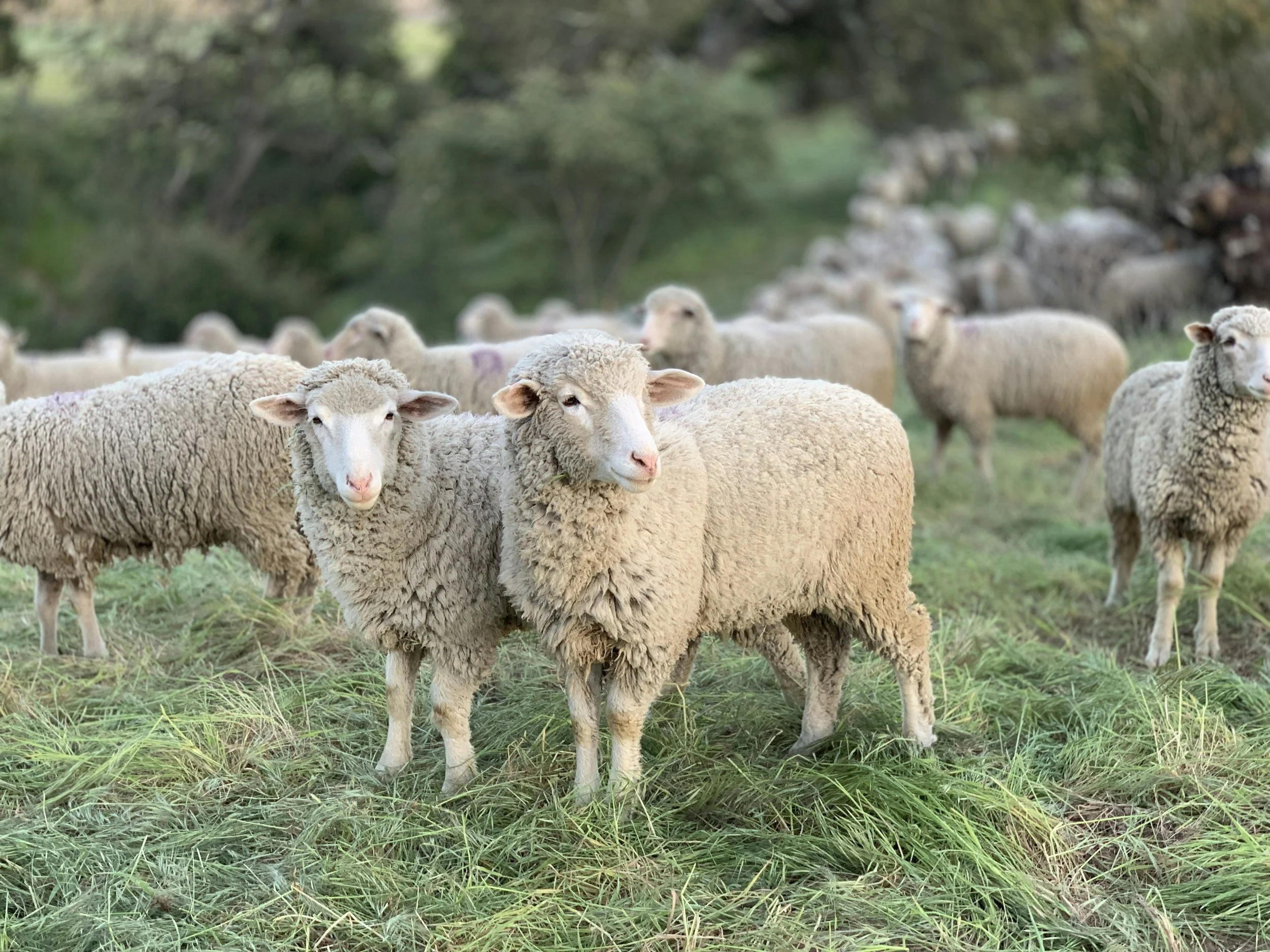
In John 10:22–30, Jesus gives us somewhere to look for that assurance. We’ll see that Jesus’ sheep trust him, and Jesus keeps them.
Some context
In this passage, people challenge Jesus to say plainly whether he is the Messiah—God’s promised King. They are in Jerusalem during the Festival of Dedication. Earlier in John 10, Jesus has described himself as the good shepherd who knows his sheep and lays down his life for them. He now explains who his sheep are and what he promises them.
1. Jesus’ sheep listen to him (vv. 25–27)
Jesus’ questioners want him to say plainly who he is. He tells them that his words and works have already shown them, but they don’t believe (vv. 25–26). Then he describes those who belong to him:
My sheep listen to my voice; I know them.
John 10:27
His sheep receive what he says and trust him. So how do you know whether you belong to Jesus? You don’t need access to God’s secret list. Listen to Jesus as he speaks through his word, and trust the Saviour who knows his sheep.
2. Jesus’ sheep follow him (v. 27)
Jesus also says that his sheep “follow me” (v. 27). Listening to him leads to a response: we trust him and begin to live his way. That doesn’t mean Christians obey perfectly or never struggle with doubt. Following Jesus includes admitting when we’ve sinned, asking his forgiveness and returning to what he teaches. We don’t earn our place among his sheep by behaving well enough. We follow him because we belong to him.
3. Jesus’ sheep are safe with him (vv. 28–30)
What does Jesus do for his sheep? He gives them eternal life and promises that they will never perish (v. 28). No one can snatch them from his hand, and no one can snatch them from his Father’s hand (vv. 28–29). Their safety rests on the power of the Father and the Son. Jesus finishes by saying, “I and the Father are one” (v. 30). If you belong to Jesus, you’re in his care. Your confidence rests on his promise to keep you, even when your own faith feels weak.
Pushback questions
What if I desperately want to be saved but God just hasn’t chosen me?
Jesus doesn’t tell you to work out whether you’re chosen before you come to him. He promises, “whoever comes to me I will never drive away” (John 6:37). Coming to him means trusting him to save you. If you’re afraid he might turn you away, take that promise seriously. You don’t need to know God’s secret plans before you trust Jesus. He welcomes those who come to him.
I know people who were Christians and then completely walked away. Doesn’t that prove Jesus can lose his sheep?
It’s painful when someone who seemed to trust Jesus walks away. We shouldn’t pretend it doesn’t matter. Yet Jesus promises that his sheep will never perish (v. 28). He keeps them trusting and following him.
If someone appears to have fallen away, there are two possibilities. They may never have truly belonged to Jesus, even though they professed faith; John describes people like that in 1 John 2:19. Or they may be backsliding—turning away for a time—but still belong to him. If they are his, he will bring them back. We can’t see their heart or know from their present behaviour which it is. Keep praying for them and urging them to repent and return to Jesus.
But what about Hebrews 6? It gives a serious warning about abandoning Christ after experiencing the blessings of the gospel (Hebrews 6:4–8). This is more than ordinary sin, doubt or struggling faith. We understand the warning as one means God uses to keep real believers persevering. He warns us so that we take the danger seriously and keep trusting Jesus. His promise to keep us and his warnings work together. The writer then expresses confidence in things connected with salvation and urges his readers to persevere (Hebrews 6:9–12). If the warning troubles you and you want to turn to Jesus, respond by coming to him.
What if my faith feels weak? Maybe I don’t believe strongly enough to really be chosen?
Your security doesn’t rest on how impressive your faith feels. Weak faith in a strong Saviour is still faith. You might feel confident one day and anxious the next, but Jesus’ promise hasn’t changed. He gives his sheep eternal life and keeps them safe (vv. 28–29). Bring your doubts to him, ask for help and keep listening to his word. You can depend on him even when you feel shaky.
So what?
Look to Jesus for assurance.
Listen to Jesus, trust him and follow him. When you’re worried about whether you’re chosen, come back to what he has said. Read his promises, ask him to help you trust them, and talk with a leader if you’re struggling. You don’t have to make yourself feel perfectly certain before you come to him. Your confidence rests on the Saviour who knows his sheep, gives them life and promises to keep them. You didn’t save yourself, and you’re not keeping yourself saved by worrying about whether you’re chosen. Keep trusting Jesus. He’s promised to keep you.
We’ve covered a lot in these articles. Some of it’s hard, and there are questions we haven’t fully answered. But the point I’ve wanted to make is that predestination is good. God saves us by grace, and he’s in control. That gives us reason to trust him and get on with following Jesus: turning from sin, praying and telling others about him. It doesn’t make evil good or pain any less painful. But God hasn’t lost control, and his purposes won’t fail. We can sleep at night. Jesus knows his sheep, and he keeps them.
Study 8. How do I know I’m chosen?
Pray and get going
Q1. What might make someone worry that they’re not really a Christian?
Read John 10:22–30
Q2. What do the people ask Jesus in verse 24? According to Jesus, why don’t they believe him (vv. 25–26)?
Q3. What does Jesus say about his sheep in verse 27? What do they do, and how does he relate to them?
Q4. What does Jesus give his sheep, and what does he promise them (vv. 28–29)? Why can they be confident he’ll keep those promises?
Q5. Jesus’ sheep listen to him and follow him. Does that mean they never struggle, doubt or sin? What’s the difference between following Jesus and being perfect?
Read John 6:37–40
Q6. What does Jesus promise anyone who comes to him? How would this help someone who says, “I want to trust Jesus, but what if God hasn’t chosen me?”
Q7. A Christian friend says, “I’ve had a terrible week. I keep getting things wrong, and I don’t feel close to God. Maybe I don’t belong to Jesus.” How could you help them from these passages?
Q8. Looking back over this series, what have you learnt about God that gives you reason to trust him? How could that help you follow Jesus in something you’re facing this week?
Pray and give thanks
Father, thank you that Jesus knows his sheep and promises to keep them. When we doubt or struggle, help us come back to his promises. Help us listen to him, turn from sin and keep following him, confident that we’re safe in his hand. Amen.
Read the rest of the series
More questions? Fair enough. Here are the other articles in the series:
1. Has God already decided who will be saved?
3. Is God responsible for evil?
4. Does God want everyone to be saved?
5. How is predestination fair?