2 Corinthians 5:1-10. Tent
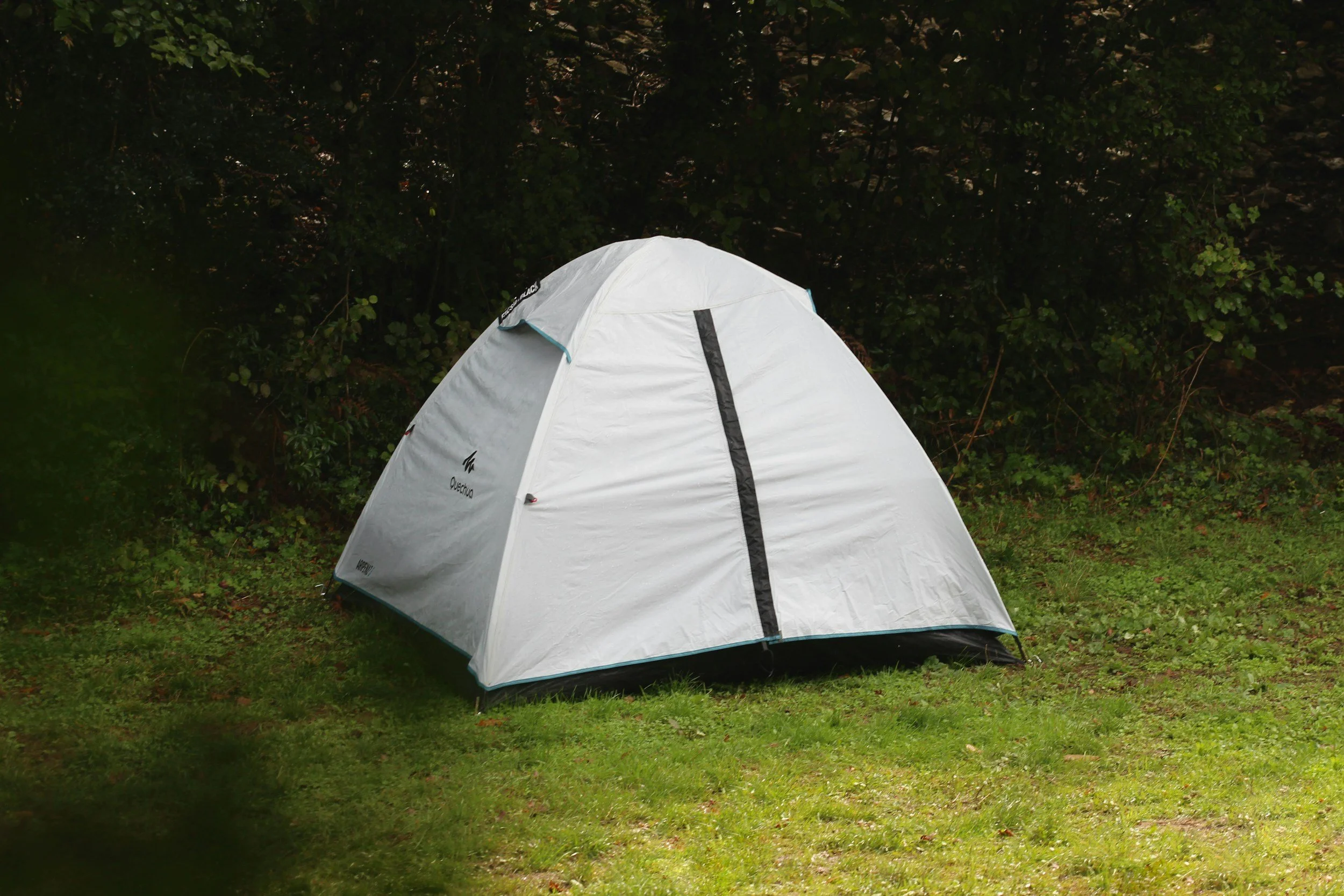
Let’s talk about tents.
Some people love tents. You get to go camping in them. You get outside, sleep under the stars, cook on a little stove, sit around a fire, and live in adventure mode. A lot of high schoolers get a taste for this through Duke of Ed hikes. For a few nights, you get to live in tents.
But camping also reminds you pretty quickly that a tent isn’t exactly luxury accommodation. You hear every sound your tent mates make, including the snoring. You smell every smell your tent mates produce, including the farts. If it rains, you start worrying about leaks. If it’s windy, the whole fragile thing flaps around. If the ground is hard, your back knows about it the next day.
Tents are great for a couple of days. Maybe a week max. But what if you had to live in one forever?
That’s the picture Paul uses for our bodies and our lives now. This life matters, but it’s fragile, like a tent. Our bodies get tired, sick, weak, and eventually die. Life in this world is full of good stuff, but it’s not secure. It’s temporary, painful, and fleeting.
So here’s the big question: How should we live when this life is so fragile?
Do we panic? Do we pretend everything’s fine? Do we just chase as much fun, popularity, and success as we can before the tent falls apart?
Paul gives us a better answer: Though this life is fragile, in Christ we have confidence for the future and purpose for the present: to please Jesus.
Because the tent is fragile, don’t build your life on it. Because God has prepared a future beyond the tent, live with confidence. And because we’ll stand before Jesus, make it your aim to please him.
1. The Tent is Fragile
The first thing Paul wants us to see is that life now is fragile. Our bodies and our lives in this world are good gifts from God, but they’re not permanent. That’s why Paul describes our bodies as “our earthly tent.” Tents are useful, but they’re not permanent. They can shelter you for a while, but they were never meant to be your forever home.
Paul reminds us that these earthly tents can be “destroyed” (verse 1). He says that while we’re in these tents, “we groan” (verse 2). He says we’re “burdened” (verse 4). Paul isn’t pretending life’s easy. Though life now can be good, it can also be weak, painful, and fragile.
This is important for us to see. Christians shouldn’t pretend that things like sickness, sadness, grief, anxiety, tiredness, pain, or death aren’t a big deal. They are. The Bible gives us words to reckon with that. It lets us groan. It lets us say life in the tent is hard.
But Paul isn’t simply saying, “I hate this life and I want to escape.” His hope is much better than that. Yes, the tent is fragile. But the tent also reminds us of what’s to come.
Paul says “we have a building from God, an eternal house in heaven, not built by human hands” (verse 1). He longs to be “clothed instead with our heavenly dwelling” (verse 2). He doesn’t want to be “unclothed” but “clothed instead” (verse 4). In other words, Paul isn’t desperately searching for the eject button so he can float around forever like a ghost. He’s longing for resurrection life.
He wants what is mortal to be “swallowed up by life” (verse 4). That means he’s looking forward to a day when his fragile, dying body will be completely overtaken and transformed by resurrection life from God.
Paul’s hope isn’t that death wins and Christians somehow survive. His hope is that life wins. In Christ, death will be swallowed up by resurrection life.
What does that mean for us? At the very least, don’t build your life on what’s fragile.
If you pause and think about it, our tendency is to build our loves on things like appearance, popularity, success, school results, sport, relationships, money, comfort, or online approval. Many of those things are good gifts from God. But none of them are strong enough to build your life on. Appearance ages, popularity shifts, success always has someone just above you, school results get forgotten, sport eventually ends, relationships can disappoint, money can vanish, comfort gets interrupted, and online approval disappears as quickly as it comes.
These things belong in the tent. They can be enjoyed as gifts, but they can’t carry the weight of your life. They change quickly, disappoint deeply, and disappear when the tent comes down.
If your whole identity is built on being liked, then every ignored message feels like the end of the world. If your whole identity is built on success, then every failure feels like proof that you’re nothing. If your whole identity is built on appearance, then every change in your body feels terrifying. That’s what happens when we ask fragile things to hold the weight of our lives.
So enjoy God’s good gifts in the tent, but don’t treat the tent as home. This life matters, but it isn’t your final house.
2. We Have Confidence Beyond the Tent
The second thing Paul wants us to see is that Christians can have confidence beyond the tent. We’ve already started to see this in verses 1–4, but it becomes even clearer in verses 5–8. Life now is fragile, but our future in Christ isn’t. And notice the repeated word in these verses: confidence.
Paul says in verse 6, “Therefore we are always confident.” Then he says again in verse 8, “We are confident, I say.” Paul isn’t confident because life’s easy, his body is strong, or his circumstances are comfortable. He’s confident because God has secured his future.
Verse 5 says, “Now the one who has fashioned us for this very purpose is God.” This future isn’t something Christians invented to make ourselves feel better. God himself has made us for this. God made us for resurrection life, so this future isn’t Plan B or wishful thinking. It’s what we were made for.
And God hasn’t left us guessing. Paul says God has given us “the Spirit as a deposit, guaranteeing what is to come” (verse 5). A deposit is the first part of a payment. It’s a guarantee that the rest is coming. So the Holy Spirit is God’s guarantee that he’ll finish what he’s promised.
That’s why Paul can say, “Therefore we are always confident.” Our bodies may be weak. Our circumstances may suck. We may groan now. But God has prepared something better, and he’s given us his Spirit as the guarantee.
But Paul’s confidence isn’t just that one day he’ll feel better, have no problems, or live in a nicer place. The best part of the future isn’t just a stronger body or a better world. It’s being home with the Lord.
In verse 6, Paul says that while we’re “at home in the body” we’re “away from the Lord.” Then in verse 8, he says he’d “prefer to be away from the body and at home with the Lord.” That’s the centre of Christian confidence: whatever happens to the tent, Christians are going home to the Lord.
Paul isn’t saying our final hope is floating around as souls without bodies forever. The final hope is resurrection. But he is saying that when a Christian dies before Jesus returns, they are immediately “with the Lord”, safe and at home with him, while they wait for the resurrection body he has promised. Are they conscious? I think the Bible points that way. Are they with Jesus? Definitely. And that’s what matters most.
That gives us confidence. It doesn’t mean we stop caring about this life. It doesn’t mean suffering doesn’t hurt. It doesn’t mean death is good. Death is still an enemy. But death isn’t the end, and it can’t take Christians away from Jesus.
So when life feels fragile, Christians don’t need to panic. When our bodies are weak, we don’t need to despair. When we face grief, sickness, disappointment, or fear, we can still have confidence. Not confidence in ourselves. Not confidence in our circumstances. Confidence in God.
This tent won’t last forever. But in Christ, we have a future beyond the tent.
3. We Have Purpose in the Tent
The third thing Paul wants us to see is that Christians have purpose while we still live in the tent. Confidence about the future doesn’t make this life meaningless. It gives this life direction.
Paul doesn’t say, “Since this life is fragile, nothing really matters.” He says the opposite. Verse 9 says, “So we make it our goal to please him.” That’s Paul’s simple summary of the Christian life. Whether we’re at home in the body or away from it, our aim is to please Jesus.
That gives us a much better purpose than just trying to be popular, comfortable, successful, or impressive. The goal of life isn’t to make everyone like me. It isn’t to get the easiest life possible. It isn’t to squeeze in as much fun as I can before the tent falls apart. The goal is to please Jesus.
And that future confidence doesn’t make our present life careless. It makes it serious.
Verse 10 shows why this matters: “For we must all appear before the judgment seat of Christ.” Paul isn’t saying Christians are saved by being good enough. We’re saved by Jesus’ death and resurrection. But he is saying that our lives matter. What we do in the body matters. How we live in the tent matters.
One day, we’ll stand before Christ. That shouldn’t make Christians panic, because Jesus is our Saviour. But it should make us serious, because Jesus is also our Lord and we’ll come before his judgment seat.
So what might it look like to please Jesus this week?
At school, it might mean telling the truth, working hard, refusing to join in gossip, or being kind to someone who gets left out. At home, it might mean obeying your parents, speaking respectfully, helping without being asked, not grunting at your parents, or saying sorry quickly. With friends, it might mean being loyal, not icing people out, encouraging someone in their faith, or choosing not to follow the crowd into sin. Online, it might mean not posting just for attention, not looking at things you know are wrong, or not joining in mocking comments.
The point isn’t that we earn Jesus’ love by doing these things. The point is that because Jesus has given us such a secure future beyond this earthly tent, we love him and want to live for him. The tent is fragile. But life in the tent still matters.
So ask the simple question: Will this please Jesus?
That question won’t always make life easy. Sometimes pleasing Jesus will be costly. Sometimes it’ll mean saying no to things other people say yes to. Sometimes it’ll mean being misunderstood.
But it’s worth it. The tent isn’t forever. Jesus is. And a life lived to please him is never wasted.
Conclusion
So how should we live when this life is so fragile? Paul’s answer isn’t to panic. And it isn’t to pretend the tent is stronger than it really is.
Because the tent is fragile, don’t build your life on it. Appearance, popularity, success, comfort, relationships, money, and online approval might be good gifts, but they can’t hold the weight of your life. They belong in the tent. They’re not home.
Because God has prepared a future beyond the tent, live with confidence. He’s given us his Spirit as a guarantee. He’s promised resurrection life. And the best part of that future isn’t just a stronger body or a better world. It’s being home with the Lord.
And because we’ll stand before Jesus, make it your aim to please him. We’re not here to drift, impress people, chase comfort, or squeeze in as much fun as possible before the tent falls apart. We’re here to live for the one who died and rose for us.
So this week, ask the simple question: Will this please Jesus? At school. At home. With your friends. Online. When you’re tired. When you’re tempted. When no one else is watching.
Though this life is fragile, in Christ we have confidence for the future and purpose for the present: to please Jesus.
Discussion Questions
Pray and Get Going
1. How do you feel about the idea of going camping?
2. How would you feel if you always had to live in a tent?
Look at 2 Corinthians 5:1–10
3. In verses 1–4, what does Paul mean by “our earthly tent”? What words show that life now is fragile?
4. In verses 1–4, what is Paul longing for? What does he seem to want more than just escape from this life?
5. In verses 5–8, why can Christians be confident even while life now is hard?
6. In verses 5–8, what is the great future Paul is looking forward to most?
7. According to verses 9–10, what is our goal while we still live in the tent? Why does that goal matter?
8. What might it look like this week to make it your aim to please Jesus at school, at home, with friends, or online?
Pray and Give Thanks
Heavenly Father, please help us remember that this life is fragile and temporary. Please give us confidence in what you have prepared for us in Christ, and help us make it our goal to please him in the way we live each day. Amen.